A Feather and a Fork: Reclaiming Indigenous Foodways with Chef Crystal Wahpepah
In Episode 139 of the Kitchen Confidante Podcast, Liren talks to Chef Crystal Wahpepah about how she is reclaiming indigenous foodways and her cookbook, A Feather and A Fork.
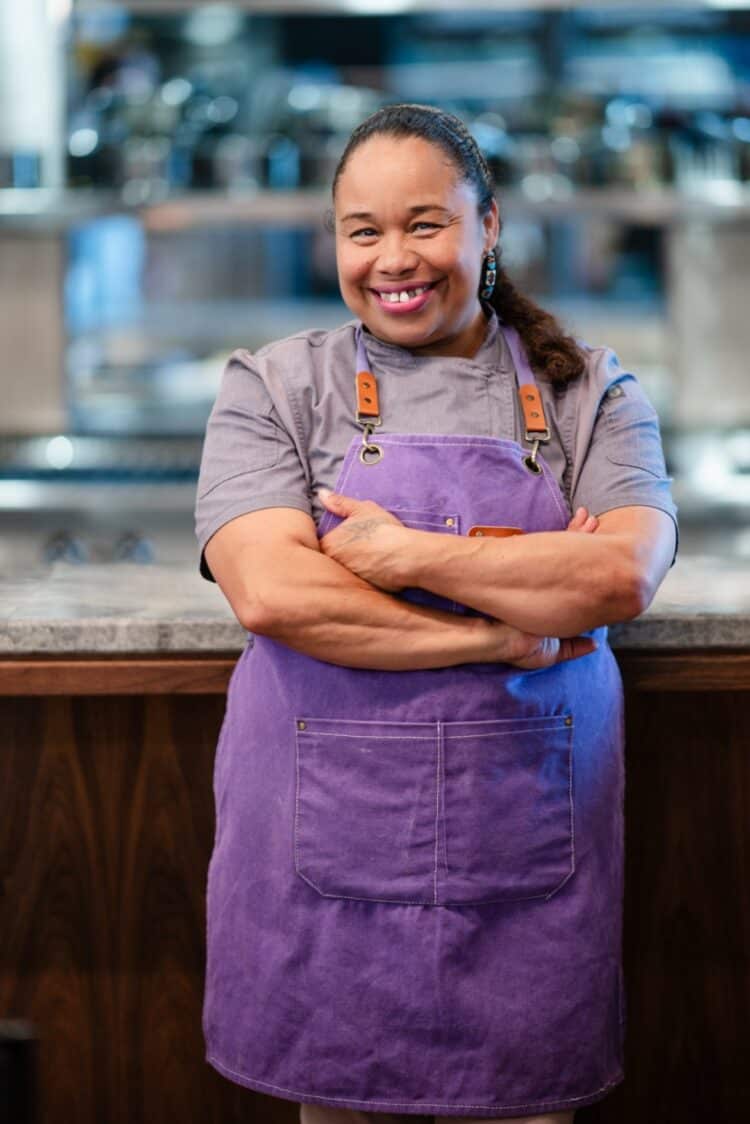
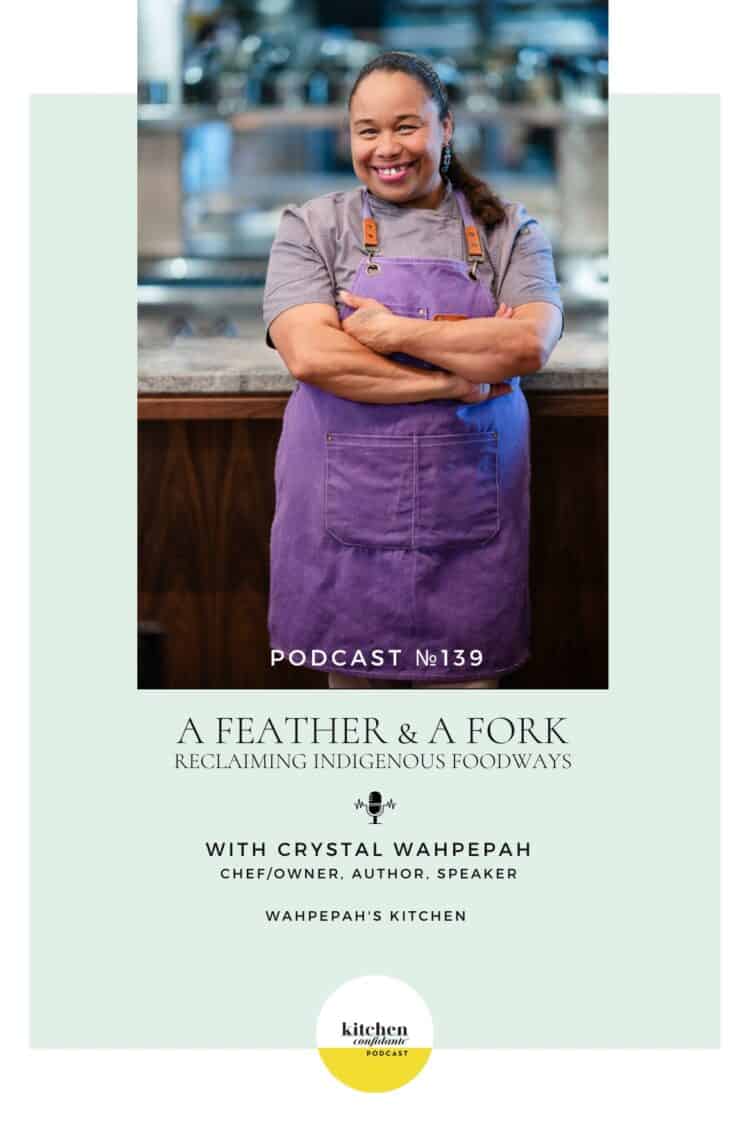
On the podcast, I recently chatted with Chef Crystal Wahpepah, a registered member of the Kickapoo Nation of Oklahoma and the chef and owner of Wahpepah’s Kitchen in Oakland, California — one of only a handful of Indigenous restaurants in the country. Born and raised in Oakland’s close-knit urban Native community, Crystal was the first Indigenous chef to compete on Food Network’s Chopped and is a James Beard Award finalist for Emerging Chef. Her debut cookbook, A Feather and a Fork: 125 Intertribal Dishes from an Indigenous Food Warrior, is a collection of recipes, history, and storytelling that celebrates Native foods and the people who keep them alive.
In this episode, we talk about her path to becoming an Indigenous chef, what it means to be a food warrior, and how returning to seasonal, ancestral foods can nourish both our bodies and our communities.
Listen to the full episode or keep reading for some of the highlights from our conversation.
How Did You Get Started as a Chef?
I was born and raised in Oakland, California. The Bay Area is such a richly diverse place for food, but I always noticed something was missing — Native foods just weren’t part of the conversation here.
My grandmother always made traditional foods for our family gatherings and holidays, and that stayed with me. I’m Kickapoo, and my family’s roots are in Oklahoma, so I went there to do my own research on Native food ways and go on my own journey with food. I come from a family of hunters and gatherers — people who knew how to harvest berries, honor the Three Sisters (beans, corn, and squash), and how to work with what the land gave them.
I started out catering for Native American organizations. My appearance on The Food Network’s Chopped changed my career completely. Suddenly I was in demand for catering across Native America, and I was able to bring Native sovereignty and Native foodways into many people’s lives.
I was at the top of my career when the pandemic hit. I pivoted — selling wild rice maple food bars online — and eventually opened my own kitchen in Oakland.
Through all of it, I’ve embraced who I am as an Indigenous chef. I always cook for the community. It’s never just about the food on the plate; I share the knowledge behind the food and how to grow and harvest it, too.
Tell Us More About Your Book, A Feather and A Fork
This is much more than a cookbook. Alongside the recipes, it holds the history, the connection to the land, and the importance of preserving Indigenous foodways. I wanted to take readers on their own journey to learn how these foods are grown, what food sovereignty means, and why Native foodways are important. There are so many pillars to touch on, and most people have never had the chance to hear from an Indigenous chef directly.
“We’ve been trading foods for thousands of years. You’re a food warrior if you’re keeping the tradition alive or if you’re reclaiming it. Seed keepers, farmers, our food servers, our dishwashers — anyone who is reviving and protecting these foods is partaking in the Indigenous food movement, and making sure these foods are at the forefront for the next generation.”
Furthermore, many of our traditional foods can address the health issues facing Indigenous communities today, and I wanted to make it simple in the book. Native people have always eaten according to the season and the harvest, but we lost our way with that through the commodity food system, relocation, and colonization. The beautiful part is that returning to seasonal eating is where health and wellness really begin. Mother Nature meant for us to eat this way. If you don’t know how to eat in season, go to a farmer’s market — those are some of the most knowledgeable people on this earth, and you can talk with them for free and learn about the food grown right where you live.
“I hope readers come away appreciating the land and these vibrant, beautiful foods that they may not have known about, but that have been here for thousands of years. I really want people to see how beautiful and resilient our foods are.”
Chef Crystal Wahpepah
I also included Native food producers throughout the book, because I wanted there to be a community moment in it. If a reader can’t find an ingredient like blue corn, they can turn to those pages and know exactly where to get it.
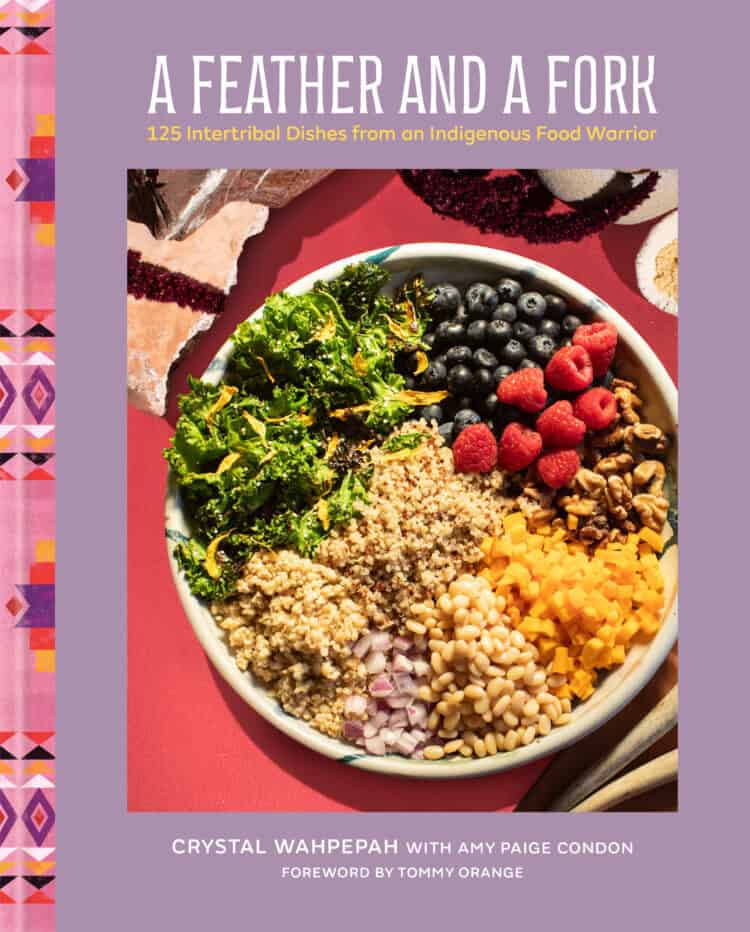
A Feather and a Fork, by Crystal Wahpepah with Amy Paige Condon (Rodale Books, 2026).
Learn more
Listen to the full podcast episode with Chef Crystal. You can learn more on her website, chefcrystalwahpepah.com. If you’re in Oakland, visit her at Wahpepah’s Kitchen.
Related posts
Rooted in Fire: Cooking, Culture, and Community with Chef Pyet DeSpain
Honey and Habanero Roasted Butternut Squash
Comments
COOKBOOK











I think this book isn’t simple. I’m looking for a recipe for shrimp soup; do you have one?
It’s inspiring to see Chef Crystal Wahpepah reclaiming Indigenous foodways. I recently participated in a community cooking event that celebrated similar roots, and it deepened my appreciation for our culinary heritage.
This article really makes me want to size up how much Indigenous food knowledge has been lost over time. I’ve never thought about how colonization disrupted food systems until now. Chef Crystal’s work sounds fascinating – would love to try some of those traditional dishes.
This definitely makes me want to learn more about Indigenous food traditions.
I really appreciate how Chef Crystal Wahpepah is revitalizing Indigenous foodways in such an authentic way. The enthusiasm for cultural heritage through culinary arts is inspiring! Have you considered exploring more about the specific ingredients she highlights?
fnf game
Such an inspiring story! I love how food is used to preserve culture and connect generations.
Ragdoll Hit