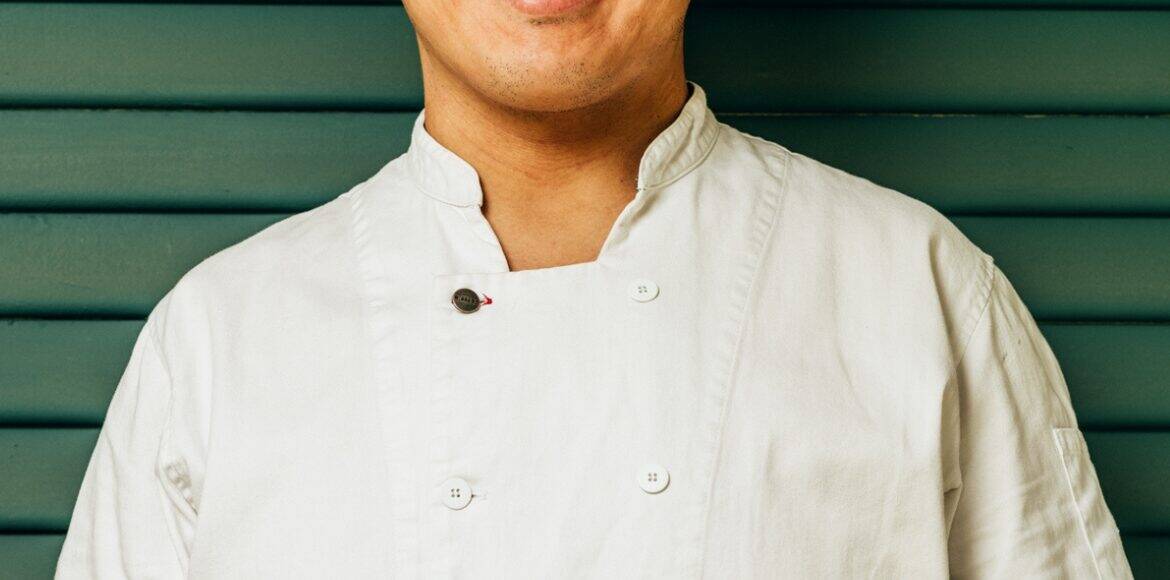
From Momofuku to Agnes and Sherman: Chef Nick Wong’s Next Chapter
In Episode 131 of the Kitchen Confidante Podcast, Liren Baker talks with Chef Nick Wong about his culinary journey to opening the restaurant, Agnes and Sherman, and redefining Asian American food.
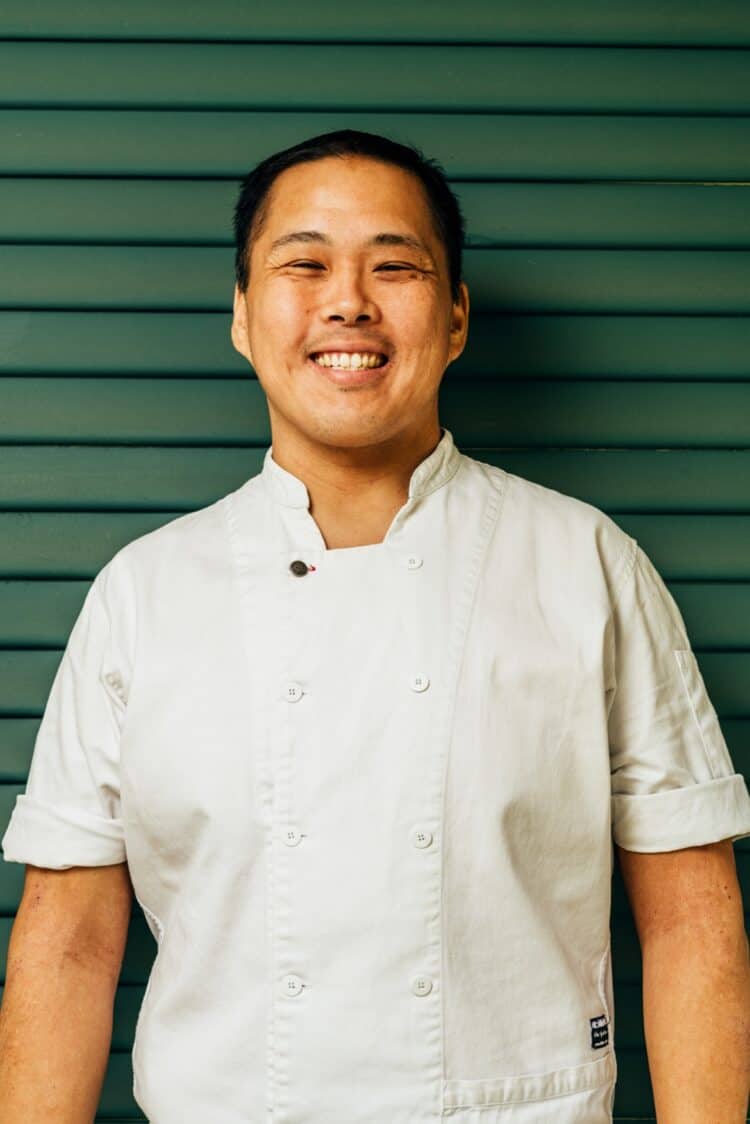
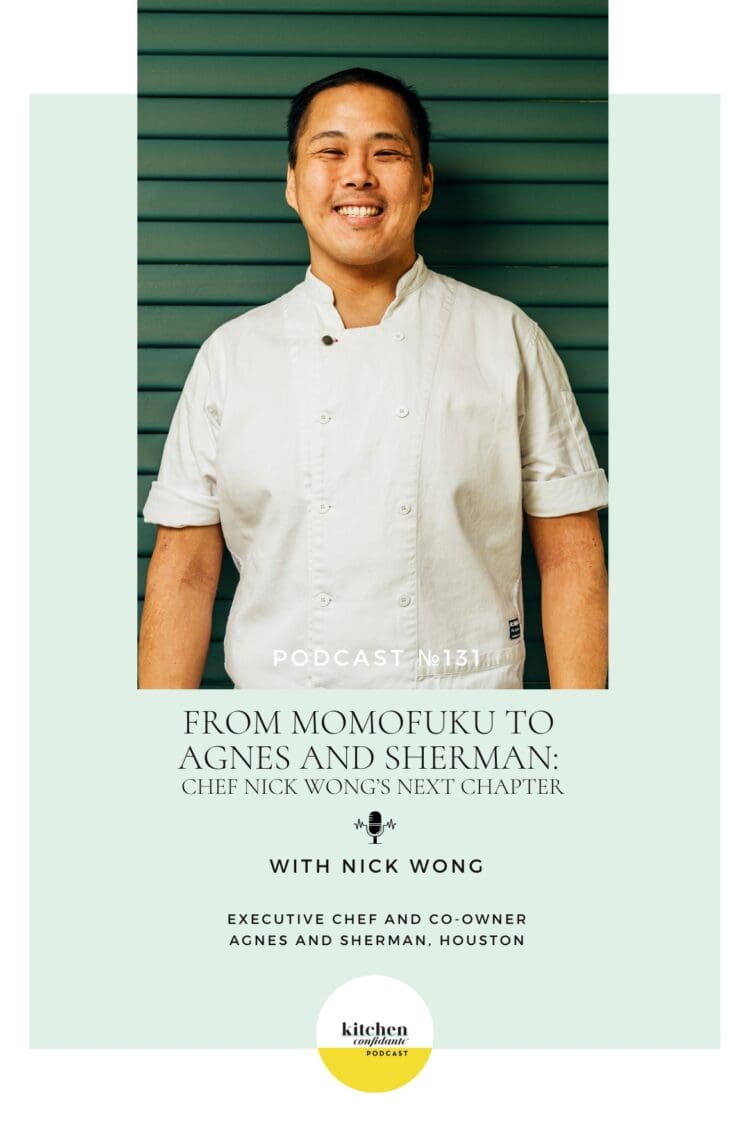
The Asian American Diner — with Chef Nick Wong
On the podcast, I recently chatted with Chef Nick Wong. After graduating from the French Culinary Institute in New York, Nick built an impressive career with the Momofuku Restaurant Group, with additional time at Gramercy Tavern in New York City and Incanto in San Francisco, and stages at Noma in Copenhagen and Bar Tartine. When he was ready to open his own restaurant, he partnered with his longtime friend Lisa Lee, and together they opened Agnes and Sherman in Houston, Texas. In just its first year, Agnes and Sherman earned a Michelin recommendation, was named one of the Best New Restaurants in America by both Eater and The Infatuation, and was named a James Beard Award semi-finalist for Best New Restaurant.
In this episode, we chat about his winding path from UC Berkeley to culinary school, the deeply personal story behind the restaurant’s name, and how Agnes and Sherman is redefining what American dining can look like through the lens of Asian American food.
Listen to the full episode or keep reading for some of the highlights from our conversation.
How Did You Get Started as a Chef?
My earliest kitchen memory is being fascinated by chopping onions. But my real introduction to cooking was practical: my parents both worked, and I figured out that if I cooked dinner myself, I got to eat earlier instead of waiting for them to cook after they got home.
In high school, I considered going to culinary school, but my parents discouraged it. I went to UC Berkeley instead, but cooking kept pulling at me. After I finished my degree, I decided to give the restaurant industry an honest try.
I found work at a Vietnamese restaurant in California, helped them open, and then helped them close just seven months later. It was a firsthand lesson in how quickly things can change in this industry. I ended up at the French Culinary Institute in New York. Two weeks before graduation, a slot opened up at Momofuku, and everything fell into place from there.
Tell Us More About Your Restaurant, Agnes and Sherman
Throughout my career, I’ve worked everywhere from fine dining to casual, but I feel most comfortable in the middle. Agnes and Sherman reflects that — it’s accessible and approachable, but there’s real creativity and intention behind every dish. You can get something interesting and thought-provoking without breaking the bank.
My co-owner, Lisa Lee, and I met at UC Berkeley and have been friends ever since. When I was finally ready to open a restaurant, she was ready too.
The idea for the name came from Lisa. It is my parents’ names: Agnes and Sherman. I revealed the name to my family at Christmas, and it was an emotional moment. My whole career had built to this, and I named it after them.
Diners are a huge cultural touchstone in America. They are accessible, open late, and immigrant-owned diners have always been a quiet form of culinary fusion. Greek diners in New York serve souvlaki alongside hamburgers. My uncle opened a diner in the ’80s with fried rice and broccoli beef next to shrimp and grits. But it wasn’t intentional culinary fusion — it was just what was familiar to him.
You can find a Chinese American restaurant in almost any town in America, and you know what’s going to be on the menu. You can find a diner almost anywhere and know what’s on the menu. They’re two sides of the same coin — but for some reason, the diner is held up as the gold standard for Americana, while the Chinese American gets ‘othered.’ My menu is asking why they can’t occupy the same space.
“I would like to broaden the experience of what being Asian American can be. We are making food that doesn’t necessarily exist anywhere else, but that doesn’t mean it can’t be part of the American Experience.”
Nick Wong
The scallion waffle captures that idea perfectly. Everyone knows scallion pancakes, and waffles are an American icon — put them together, and it sets the tone for everything else on the menu. It’s a nostalgic taste, recontextualized.
The interior of the diner follows the same logic — classic diner booths alongside mahjong-style tables with items like my grandmother’s antique rice cookers as décor. These familiar elements are all combined into something that feels naturally and unmistakably Asian American.
And if you just want to eat it without thinking about any of that, it’s just delicious, accessible food.
Learn more
Listen to the full podcast episode with Chef Nick. You can learn more and follow him on Instagram @_nickwong_ and @agnesandsherman.
Comments
COOKBOOK












The idea of a scallion waffle is fascinating! I love how Chef Nick Wong combines something as familiar as a diner with unique Asian American elements. The interior decor, featuring mahjong-style tables and antique rice cookers, sounds like a perfect blend. Isn’t it interesting to see how cultural fusion can create something innovative yet so relatable?