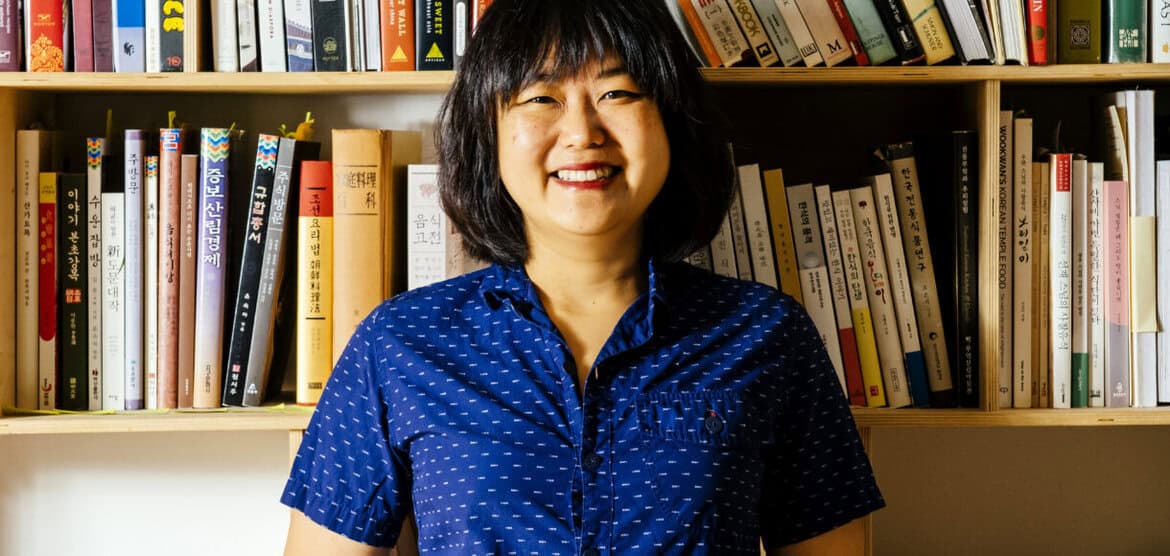
From Miss Kim to Little Kim: Ji Hye Kim on Opening Little Kim, 10 Years of Miss Kim, and Evolving Korean Cuisine
In Episode 134 of the Kitchen Confidante Podcast, Liren welcomes back Ji Hye Kim to learn about her new restaurant, Little Kim, and how she and her team create delicious, approachable vegetarian dishes rooted in Asian American tradition.
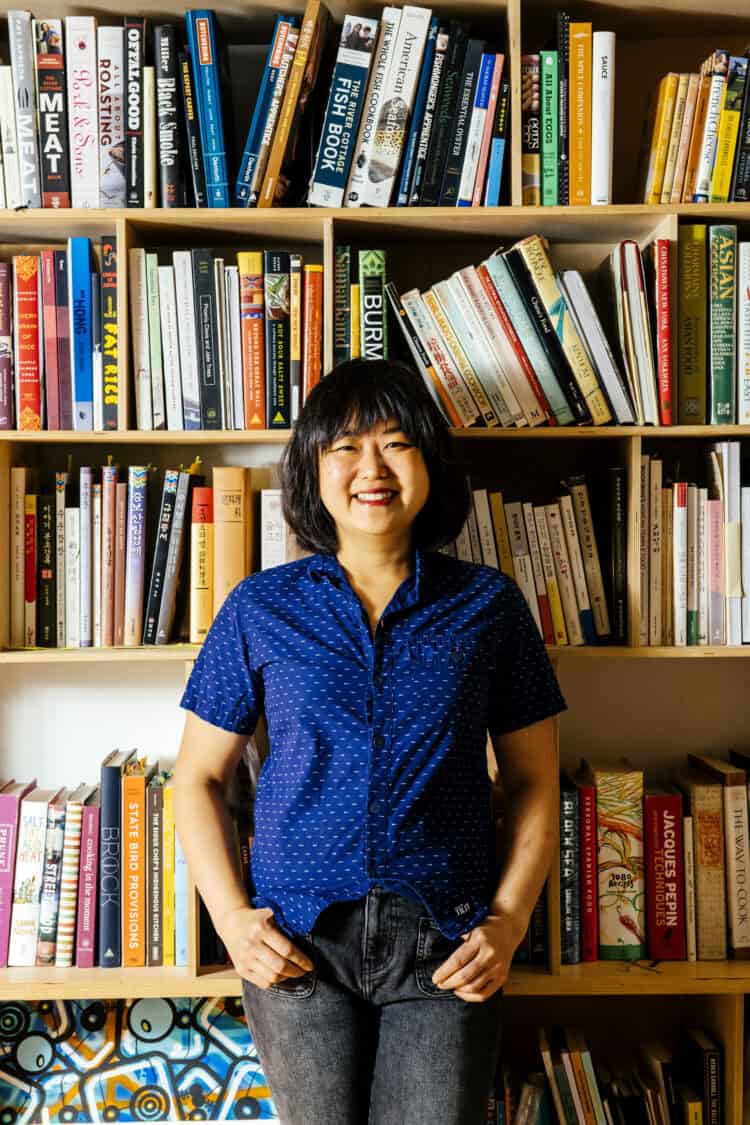
From Miss Kim to Little Kim — with Chef Ji Hye Kim
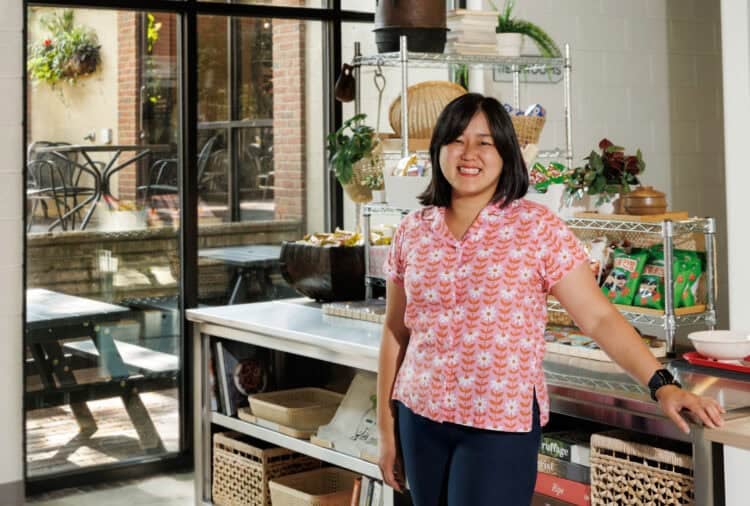
On the podcast, I recently chatted with a returning guest, Ji Hye Kim. She is an award-winning chef, including a Food & Wine Best New Chef and five-time James Beard Award semi-finalist, and she is a powerful cultural voice redefining contemporary Korean cuisine in the United States. She is the chef and owner of Miss Kim and Little Kim in Ann Arbor, Michigan, where her cooking beautifully bridges time-honored Korean traditions with Midwestern seasonality and sensibility.
You may remember our conversation in Episode 39 back in 2022, where we explored her journey as a chef, the inspiration behind Miss Kim, and how she brings traditional Korean cuisine to life using local Michigan ingredients.
In this episode, we catch up on everything she has been working on — including a new restaurant, a major milestone, and how she and her team create delicious, approachable vegetarian dishes rooted in Asian American tradition.
Listen to the full episode or keep reading for some of the highlights from our conversation.
Tell Us More About Your Restaurant, Little Kim
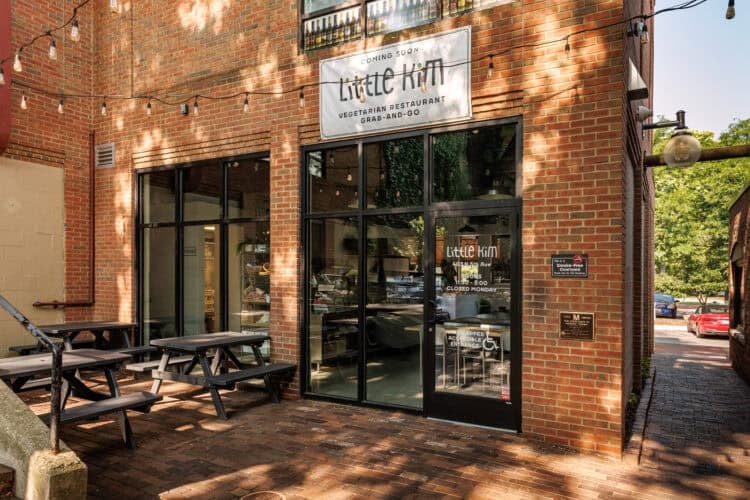
I opened Little Kim in 2024 as the younger sister of Miss Kim. We use the same ethos as Miss Kim, meaning the dishes are rooted in tradition, and our goal is to create healthy, delicious food using local producers and farmers whenever possible.
One thing that makes Little Kim distinct from Miss Kim is that the menu is not necessarily Korean American, but more broadly Asian American. We draw from different Asian American traditions — for example, I have an Indian American chef on staff whose family is from Bombay, and we’ve worked together to develop recipes. A Chinese American chef friend came and created a special for us for a week. It’s collaborative and loose in a way that feels really exciting.
Little Kim is also fully vegetarian, and there are many reasons for that. The closest one to my heart is the local farmer’s market. Both restaurants are just a block away, and I’ve been going to that market long before I had either restaurant. I wanted to work with those farmers and producers more. I also found myself eating more vegetarian food. Every time I go to Korea, I visit a Buddhist temple and eat their food, and it is so fresh and delicious that I don’t feel like I’m missing anything. I wanted to bring that experience home — not just twice a year, but all the time. I wanted a place people could come several times a week, not just for special occasions. So Little Kim is fast casual, affordable, and open to everyone. We’re making vegetarian food for everyone — not just vegetarians.
Seasonality shapes the menu, but we stay flexible. We have beautiful local vegetables well into late fall, but when winter comes, and local produce is not available, we shift to highlighting other Michigan producers. One of my favorites is a local brinery that makes fermented foods and scratch-made tempeh. Working with other Michigan producers helps us keep the seasonal local menu working year-round.
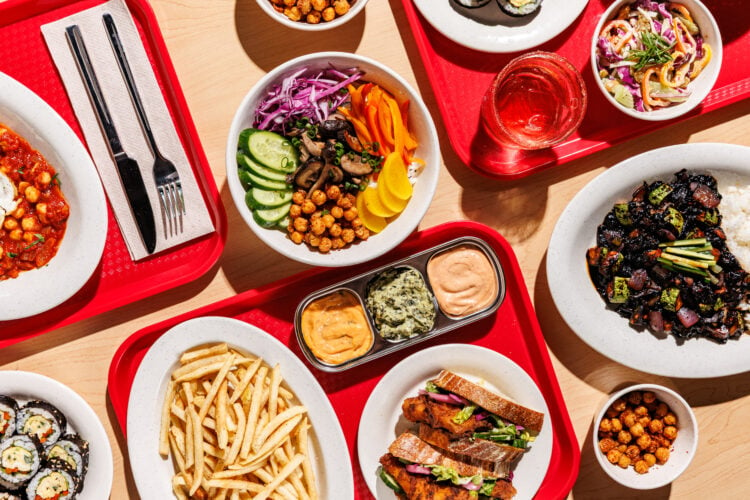
We intentionally loosened our boundaries around tradition compared to Miss Kim, but the food still has to be rooted in something real. We don’t do imitation meats or fake anything. Instead, we focus on proteins that have been part of traditional cooking forever — tofu, yuba, beans, lentils, tempeh, paneer, and other traditionally made cheeses. Every dish has one of those proteins in it, so you’re getting real flavor, texture, and nutrition in a well-rounded plate of food.
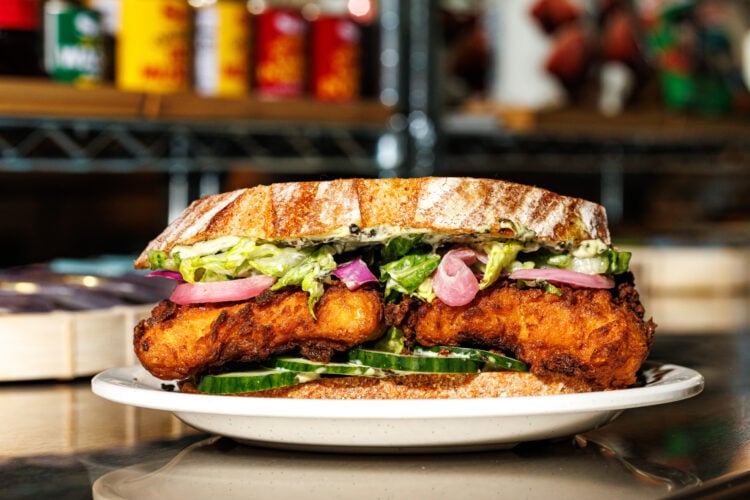
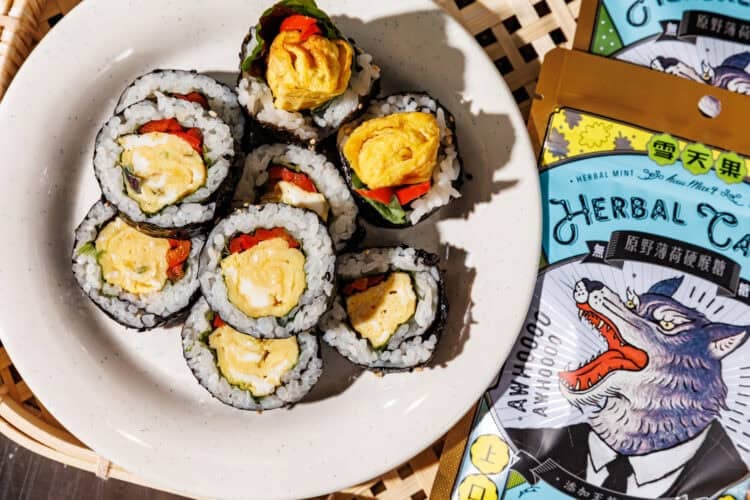
The menu changes frequently, and developing it has been so much fun. At Miss Kim, many of my ideas come from digging into historical books and traditions. At Little Kim, the staff brings their own inspirations, we taste everything together informally, make final adjustments, and it goes on the menu. It moves faster and looser. The restaurant is lunch only for now, serving dishes like rice bowls, noodle bowls, rice balls, a tofu sandwich, black bean sauce, side salads, and appetizers. And French fries, because I love them. The sweet-and-spicy chilled noodle bowl is our most popular dish, and it changes with the seasons.
A Note for Home Cooks
With Miss Kim approaching its 10-year milestone, Ji Hye reflects on what she’s learned in her own process and what she wants home cooks to carry with them.
“Whether you have a beautiful plate of food from a fine dining establishment or something more humble and homemade, flavor is not tied to the plating or the setting. It is more important that you get a meal on a plate than to follow a complex recipe exactly and get stressed out. There is nothing that tastes as good as a home-cooked meal — and once you feel comfortable, you can play with the fancy stuff.”there for several years. I then ran an Asian street food cart and eventually opened Miss Kim via a Path Partnership in 2016.
Ji Hye Kim
Learn more
Listen to the full podcast episode with Chef Ji Hye, learn more about the restaurants at misskimannarbor.com and littlekimannarbor.com, and find her on Instagram at @chefjihyekim.
Related posts
Cooking Traditional Korean Cuisine With Local Ingredients — With Chef Ji Hye Kim of Miss Kim
Korean-style Short Ribs with Noodles
Big Game Bowl Recipes: Filipino Pork Barbecue Bowl and Spicy Korean-Style Meatball Bowl
Comments
COOKBOOK














Thank you for sharing Chef Ji Hye Kim’s inspiring journey! Her evolution from Miss Kim to Little Kim beautifully illustrates how cuisine can reflect personal and cultural growth. It’s a reminder that food is not level devil just nourishment; it tells our stories.
Really like how Ji Hye Kim continues to refine and expand her Korean culinary techniques. That’s Not My Neighbor